History

Prehistory – 1880s

Lake Calumet formed by glacial changes around 500 AD.

The Calumet region inhabitated by native people, particularly those of Algonquin Nation, Illini, Potawatomi, and Miami tribes.

The town of South Chicago was founded in 1833 as Ainsworth.

Dutch abolitionist and founder of Roseland, John Ton purchased 49 acres from Dolton family in 1849. This land served as Underground Railroad site until the civil war.

South Deering was established in 1875 as Irondale. Irondale was eventually renamed in honor of John Deering an executive with International Harvester and Wisconsin Steel.

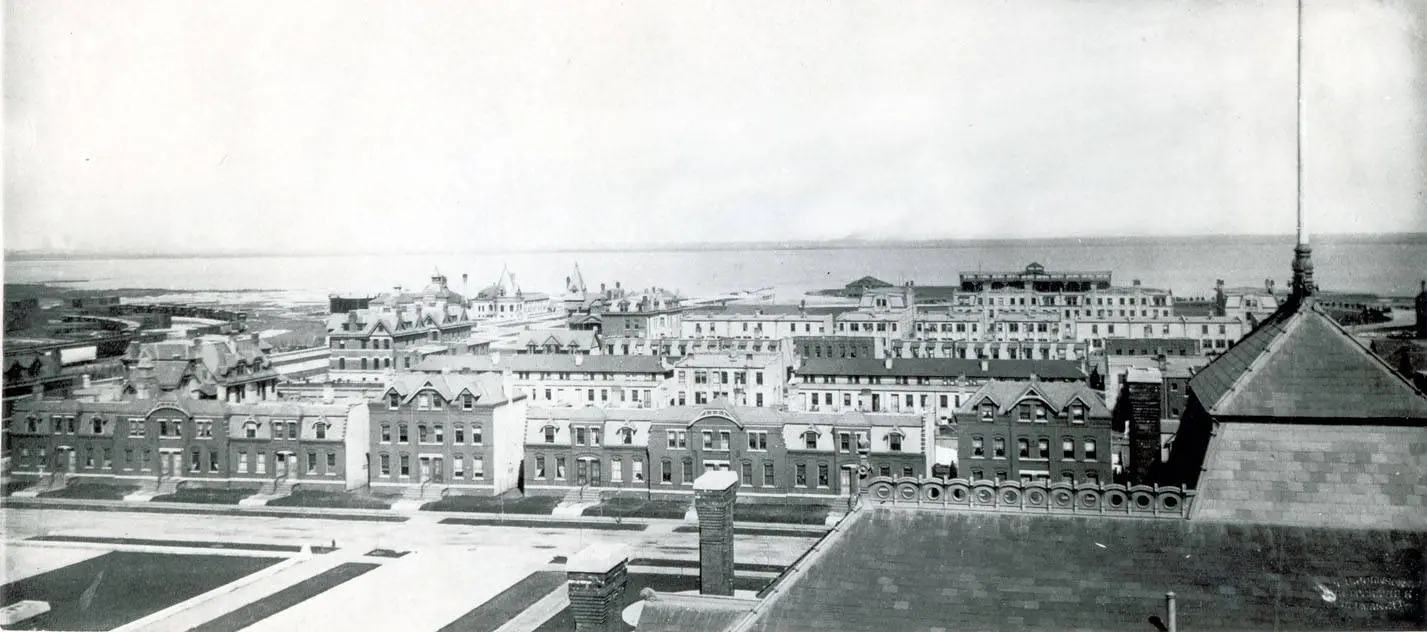
Pullman established in 1882 by George Pullman as a model factory town.
1890 – 1950

Lake Calumet formed by glacial changes around 500 AD.

The Calumet region inhabitated by native people, particularly those of Algonquin Nation, Illini, Potawatomi, and Miami tribes.

The town of South Chicago was founded in 1833 as Ainsworth.

Dutch abolitionist and founder of Roseland, John Ton purchased 49 acres from Dolton family in 1849. This land served as Underground Railroad site until the civil war.

South Deering was established in 1875 as Irondale. Irondale was eventually renamed in honor of John Deering an executive with International Harvester and Wisconsin Steel.

Pullman established in 1882 by George Pullman as a model factory town.
1950 – 2000

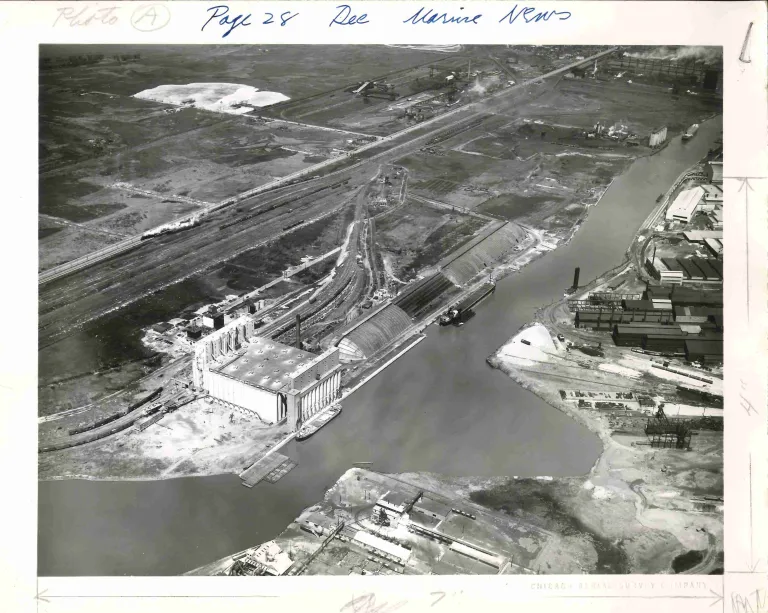
Port of Chicago makes a home at Lake Calumet. Eventually, Lake Calumet and Iroqouis Landing will be fully managed by Illinois International Port District.

Environmental justice movement is born in response to widespread use of Southeast side land for landfills. Ms. Hazel Johnson and Ms. Marion Byrnes act as tireless organizers for their communities. Johnson and Byrnes’ work through the organizations “People for Community Recovery” and “Southeast Environmental Task Force” result in the end of landfill use within Chicago city limits in 1986.

Between 1979 and 1986, the vast majority of steelworkers lose their jobs as the US steel industry collapses. Acme steel, which operated the coke plant overlooking Big Marsh, filed for bankrupcy in 2002.
Pullman established in 1882 by George Pullman as a model factory town.

2000 – 2016

Chicago Park District takes ownership of Big Marsh and other Southeast Side natural areas including Marion Byrnes (formerly Van Vlissengen) woods, Indian Ridge Marsh, Steelworker’s Park, and Hegewisch Marsh. These acquisitions are part of a strategy for Chicago Park District to work towards managing more than 2,000 acres of nature space on the Southeast side.

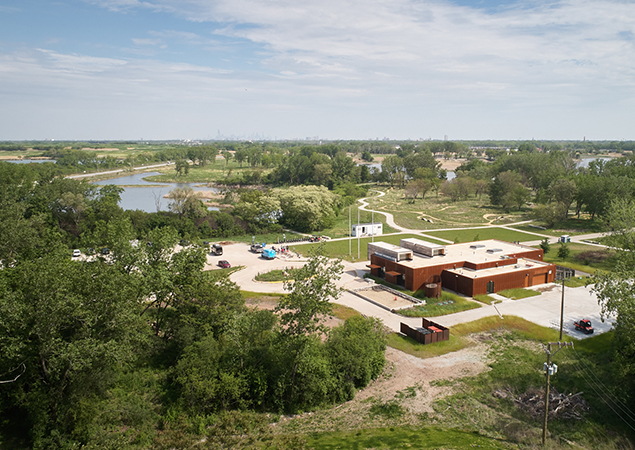
Big Marsh opened to public in November 2016.

Today

Since 2016, Big Marsh is the Southeast Side home to eco-recreation and Chicago’s wildest park!